Don't Let Poor AED Storage Damage Your Device

06 June 2026

Heat, moisture, and poor placement can quietly damage your AED — often without any visible warning signs. By the time you find out something's wrong, it may already be too late.

We see damaged AEDs more often than you'd think, and the culprit is almost always the same: improper storage.

The good news is it's an easy problem to avoid. A little thought put into how and where you store your AED goes a long way toward ensuring it's ready to perform when it counts.

So what does good AED storage actually look like? Here's what our team recommends.

Defibrillation can double odds of survival, but only if your AED works when it's needed.

Location matters

An AED tucked away in a back room or hard to find in an emergency is almost as unhelpful as not having one at all. Mount your AED somewhere prominent and back it up with clear signage so anyone, not just trained staff,  can locate it quickly.

Think of your AED like your phone: you wouldn't leave it sitting in direct sunlight or out in the rain, and the same logic applies here. Choose a spot that offers some protection from the elements, and you're already ahead of most.

The damage moisture (and heat) can do

Of all the environmental hazards, moisture is the biggest concern. Water can damage the internal components and can corrode the cabinet over time. Salt water is especially corrosive and will cause rust if exposed for a long period. Even indoors, avoid areas prone to humidity or temperature extremes. Your AED should be somewhere stable: not above a boiler room, not beside a leaky window.

A note on outdoor keypad cabinets

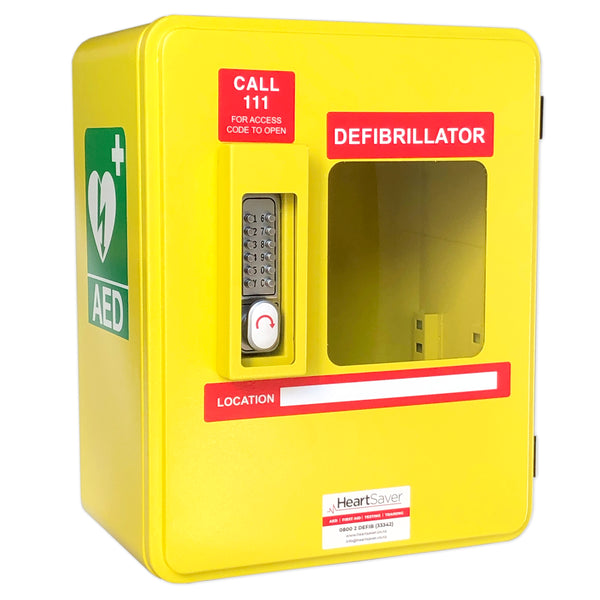
Outdoor keypad cabinets are a great option for accessible, secure storage, but there are a couple of things to get right from the start:

  • Make sure the right people know the code. If the person who set it up moves on, ensure the code is passed on before they leave. It sounds obvious, but it's one of the most common issues we come across.
  • Register your code with emergency services. When someone dials 111, the operator can relay the code to the caller so they can access the AED immediately — but only if it's been registered. This is an easy step that could save critical seconds.
  • Check your cell coverage. Keypad cabinets rely on someone being able to call 111, so confirm your location has reliable coverage before committing to this option.

AED Storage Solutions

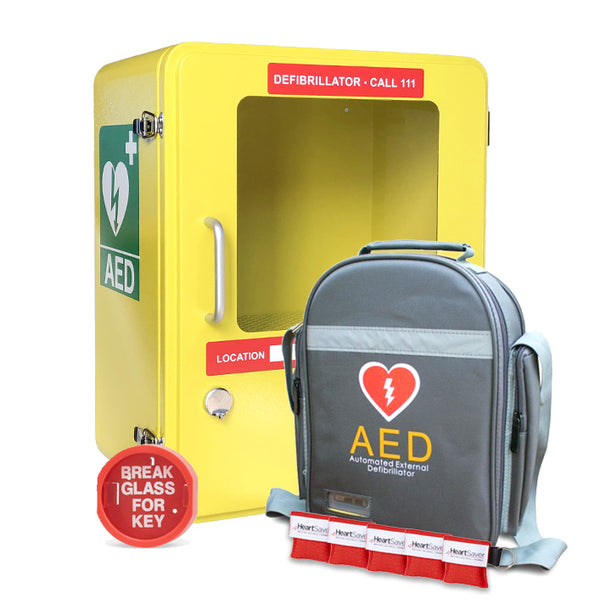
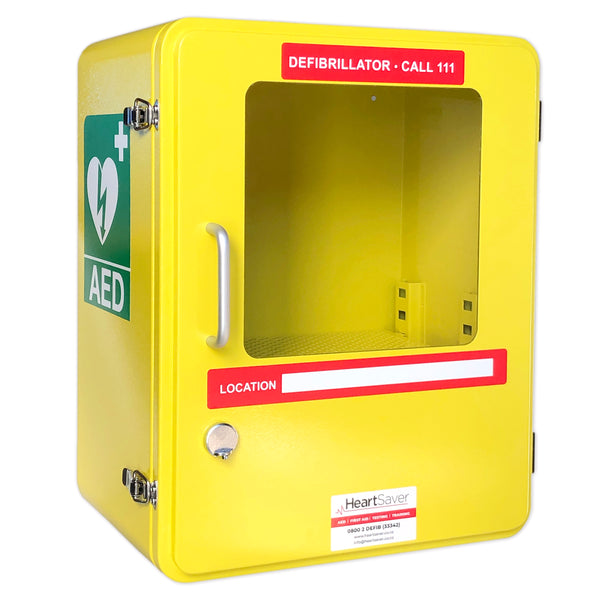
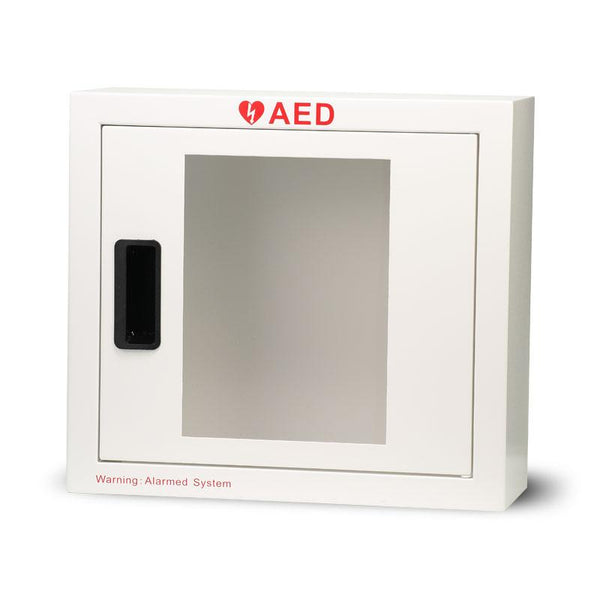
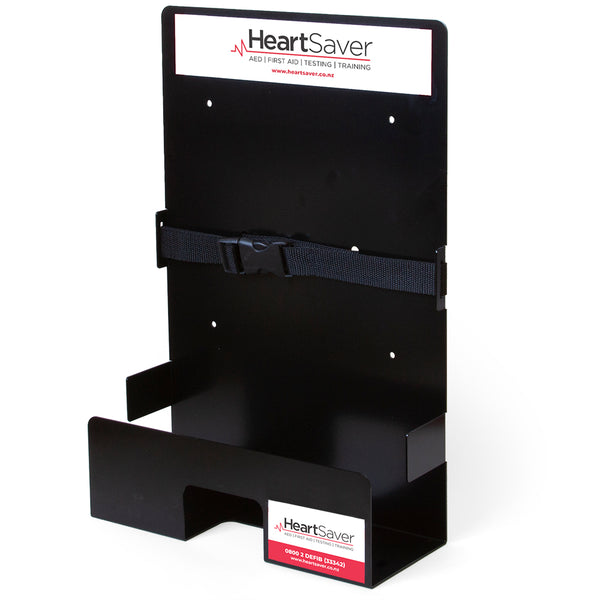
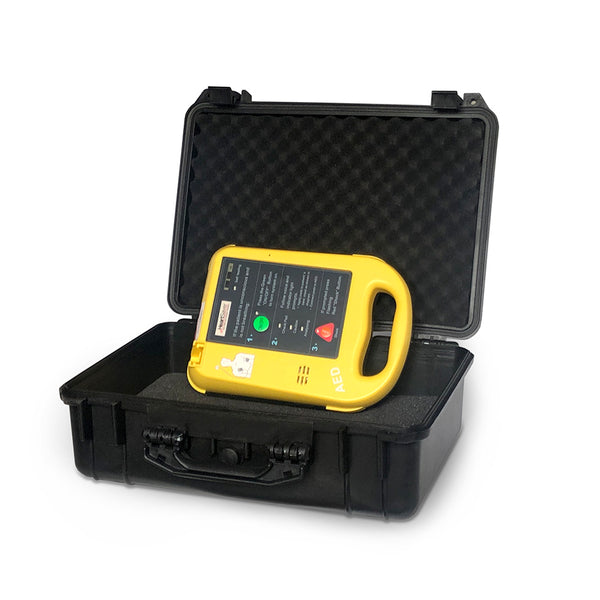
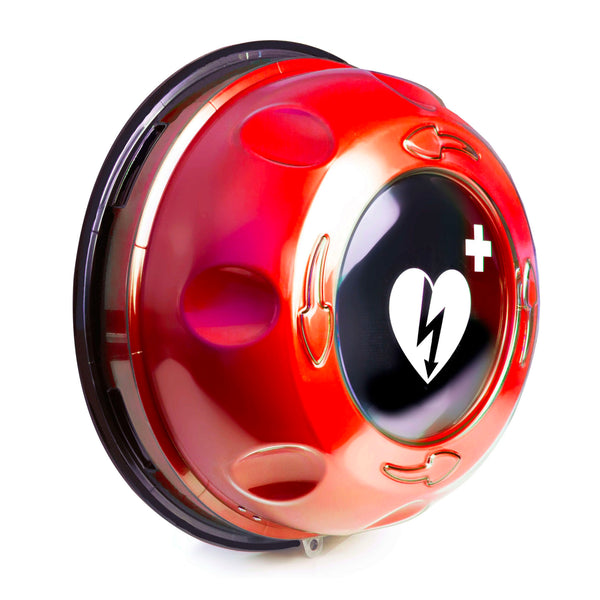
Protect your AED investment with our range of quality AED storage including wall mounted brackets, water resistant cabinets, lockable cabinets and more.

Have any questions?
We'd love to hear from you.

Back to Articles
0

cart

Cart

Your cart is empty.

Subtotal

$0.00

Shipping and discount codes are added at checkout.